
Love as Mutual Recognition
Anne of the IslandThis flow deepens the novel’s contrast between admired appearance, chosen companionship, and love that becomes recognizable through shared life.
increasing Bearing strength in each event
 decreasing
Bearing strength in each eventdecreasingAdmiration Without Love

Admiration Without Love
Suitors and social value
Billy Andrews and Charlie Sloane offer marriage without inspiring Anne’s romantic love. Their proposals force her to distinguish being wanted from wanting a particular person.
Anne refuses both, even when the offers carry social respectability. Her ability to say no is an early assertion that marriage cannot be selected as a convenient arrangement alone.
A standard still forming
Anne has not yet learned what love looks like in her own life. Her refusals are nevertheless honest, protecting the possibility of a more meaningful choice.
The Attractive Ideal

The Attractive Ideal
Roy’s appeal
Royal Gardner seems to embody Anne’s imagined romantic hero: handsome, polished, and able to speak in poetic language. Anne’s friends interpret their courtship as an obvious match.
Anne enjoys his attentions and expects to love him, but notices that his humor and ordinary companionship do not satisfy her as she thought they would. The gap remains difficult to name.
Appearance as an incomplete guide
The relationship asks whether the qualities that make someone admirable also make him a fitting life partner. Anne has not yet accepted that the answer can be no.
An Honest No
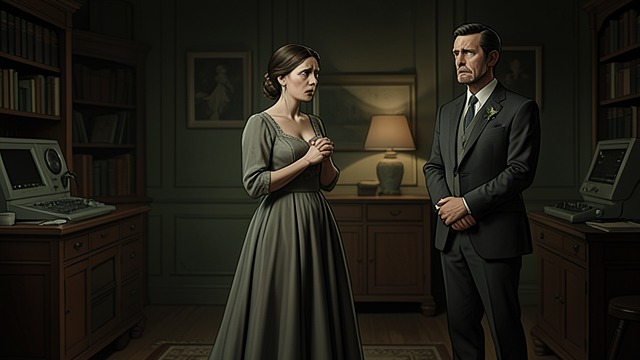
An Honest No
The choice interrupts the script
Anne expects to accept Roy’s beautifully expressed proposal, but cannot make herself say yes. She recognizes that she does not care enough for him to marry him.
Roy is hurt and accuses Anne of having amused herself with him. Anne cannot fully explain how her belief in her love changed at the last moment.
Freedom through truth
The refusal brings humiliation and guilt, but prevents a marriage based on a romantic image. Anne’s choice is painful precisely because she must act without a neat explanation.
Love Revealed by Loss
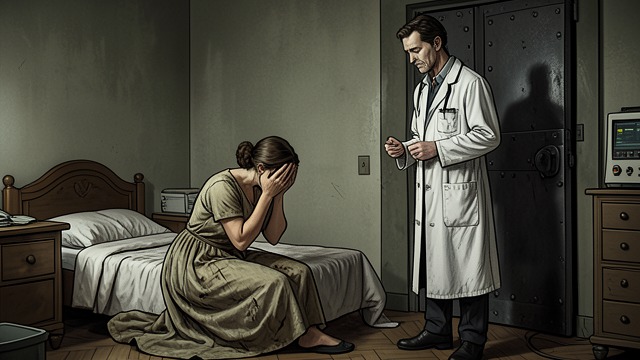
Love Revealed by Loss
What fear uncovers
Anne’s terror at the thought of Gilbert Blythe dying reveals a love that had persisted beneath friendship, jealousy, and denial. The prospect of permanent loss clarifies what years of reflection did not.
She grieves that Gilbert might never learn the truth. The crisis shows that love is not always recognized when it arrives, especially when it has grown alongside ordinary companionship.
Relief and possibility
News of Gilbert’s recovery does not itself secure their future, but it gives Anne a chance to speak and choose. Fear has exposed the value of the relationship; the next step must be mutual.
A Shared Measure of Happiness
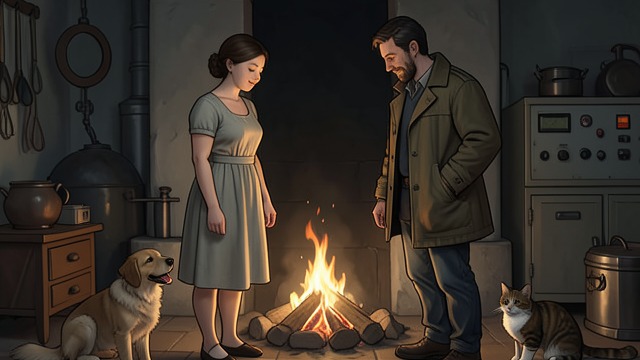
A Shared Measure of Happiness
A home, not a spectacle
Gilbert describes a future centered on a hearth, friends, animals, and Anne. His dream is domestic and modest, unlike the wealth and polished romance associated with Royal Gardner.
Anne accepts the years of waiting required by Gilbert’s medical training. She values the person and the shared work ahead more than any material display.
Love that can endure time
Their engagement rests on recognition, history, and the willingness to build a life together. The novel’s romantic resolution is not the fulfillment of Anne’s first ideal, but a deeper love discovered late.
Anne’s early Redmond years
Anne’s junior year at Redmond
The evening Roy Gardner proposes
The night Anne hears Gilbert is gravely ill
The September day Anne accepts Gilbert
